



The Data Center Boom Has a Power Problem: Why Digital Growth Depends on Energy
- Technology
-

By admin
- Oct 16, 2026
- 19 Views
Every digital interaction relies on infrastructure that most people rarely see. From cloud storage and online transactions to business applications and AI-powered services, data centers play a critical role in keeping the digital world running. As demand for these services continues to grow, so does the need for reliable electricity, efficient cooling, and more resilient infrastructure.
This expansion is creating a new challenge for the technology industry. Building more data centers is not simply about increasing computing capacity. It also requires a reliable energy supply and efficient resource management to support continuous operations. As digital infrastructure expands, data center energy consumption is becoming an increasingly important consideration for businesses, technology providers, and energy planners.
The Growing Demand Behind the Data Center Boom
The rapid expansion of digital services is changing how businesses approach infrastructure investment. Cloud computing enables organizations to store and access information remotely, while AI applications and data-intensive workloads require increasingly powerful computing resources. These services depend on data centers that house servers, storage systems, networking equipment, and supporting infrastructure. As more organizations adopt digital solutions, the demand for data processing and storage continues to increase.
According to the International Energy Agency (IEA), global data center electricity consumption reached approximately 415 terawatt-hours (TWh) in 2024. Its earlier base-case outlook projected consumption to reach around 945 TWh by 2030, illustrating the scale of the expected increase.
The trend highlights an important reality: digital growth depends not only on software and computing power, but also on the physical infrastructure and energy resources that support them.
Why Data Centers Require So Much Energy
Data centers operate continuously to maintain the availability of digital services. Their energy requirements extend beyond the electricity used by servers to process information.
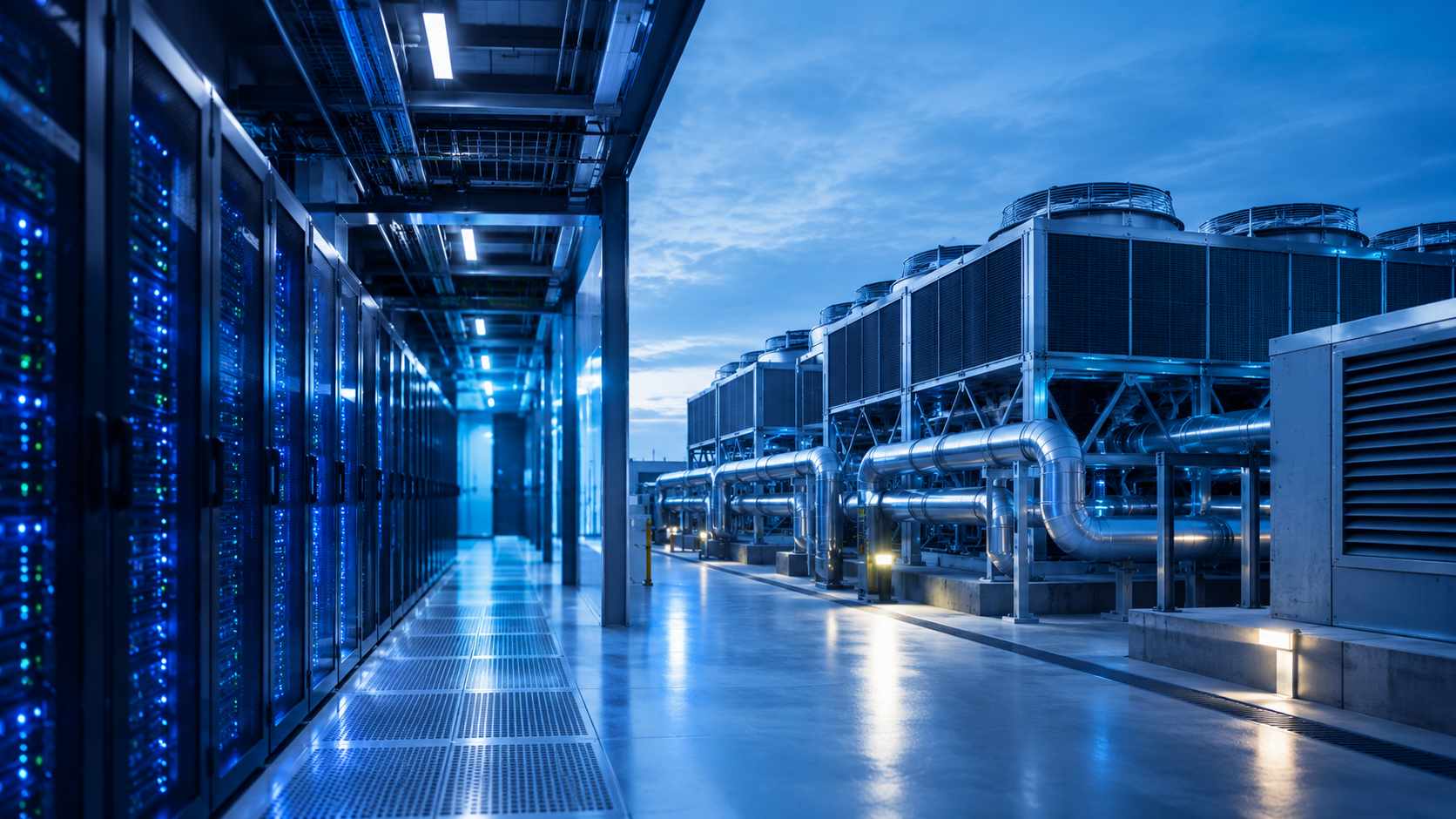
Cooling systems help maintain suitable operating temperatures, while networking equipment, backup power systems, and other facility infrastructure support reliability. These components work together to keep equipment operating within the conditions required for stable performance. As computing workloads become more demanding, managing electricity consumption becomes more complex. Cooling requirements, equipment utilization, and infrastructure efficiency can all influence a facility's overall energy needs.
This makes data center energy efficiency more than an operational consideration. It is becoming an important part of infrastructure planning, cost management, and long-term business resilience.
The Power Challenge Behind Digital Expansion
One of the biggest challenges facing the data center industry is ensuring that energy infrastructure can keep pace with digital demand. Data centers require a consistent power supply, but expanding electricity generation and grid capacity takes time, investment, and careful planning.
In some regions, growing data center demand is putting additional pressure on local electricity networks. Energy availability, connection timelines, operating costs, and environmental considerations can all influence where new facilities are built and how quickly they can become operational. This creates a broader challenge for digital infrastructure development. A business may have the resources to expand its computing capacity, but that growth still depends on the availability of supporting infrastructure.
Energy planning is therefore becoming an essential part of digital expansion. Organizations need to consider not only how much computing capacity they require, but also how energy will be supplied, monitored, and managed as operations grow.
Why Energy Monitoring Matters for Data Center Efficiency
Addressing energy challenges requires more than securing additional electricity. Businesses also need better visibility into how energy is consumed across their facilities.
Energy monitoring helps operators understand consumption patterns, identify unusual changes, and evaluate how equipment and supporting systems perform. When this information is available through centralized dashboards, teams can gain a clearer picture of operational conditions and identify areas that may require further investigation.
A more connected monitoring environment can support several operational priorities:
-
Energy visibility: Track electricity consumption across relevant equipment and facility systems.
-
Performance monitoring: Observe equipment conditions and identify unusual operating patterns.
-
Data-driven decisions: Use monitoring data to evaluate resource utilization and support operational planning.
-
Operational efficiency: Identify opportunities to improve how energy and infrastructure resources are managed.
-
Preventive action: Recognize potential issues earlier and help teams determine appropriate next steps.
Monitoring does not automatically reduce energy consumption, nor does it replace infrastructure upgrades. Its value lies in providing reliable information that helps operators understand performance and make better-informed decisions.
Building More Efficient Digital Infrastructure with SOLU
The data center boom demonstrates how closely digital transformation is connected to physical infrastructure. As organizations rely on more digital services, energy availability, infrastructure reliability, and operational visibility will become increasingly important.
A more informed approach combines infrastructure planning with ongoing monitoring and data integration. By bringing relevant operational information into a more connected environment, organizations can improve visibility into resource usage, understand equipment conditions, and support more effective operational decisions.
At SOLU, we help organizations connect devices, data, and monitoring systems through technology solutions tailored to their operational needs. With better access to relevant information, businesses can build a clearer understanding of their operations and identify opportunities to improve efficiency.
Digital growth needs more than computing power. It needs smarter infrastructure, better visibility, and a more informed approach to energy management.
Build smarter infrastructure. Improve operational visibility. Move forward with SOLU.
Share:
Request A Call Back
Your next big leap starts with a simple conversation, let's sparks the next big idea together
