

Remote Monitoring vs. Field Inspection: Finding the Right Balance for Modern Operations
- Technology
-

By admin
- Oct 19, 2026
- 8 Views
As businesses expand their operations across multiple facilities, sites, and locations, maintaining visibility over operational conditions becomes increasingly challenging. Teams need to understand whether equipment is functioning properly, identify potential issues, and determine when maintenance or on-site intervention is necessary.
Traditionally, field inspections have played an essential role in maintaining equipment reliability and operational safety. However, advances in connected devices and monitoring technologies have introduced another approach: remote monitoring. Rather than relying exclusively on scheduled site visits, organizations can now access operational data and monitor equipment conditions from a centralized location.
The question is no longer simply which approach is better. It is how businesses can combine both methods to create a more efficient, responsive, and reliable operational strategy.
Understanding the Difference Between Remote Monitoring and Field Inspection
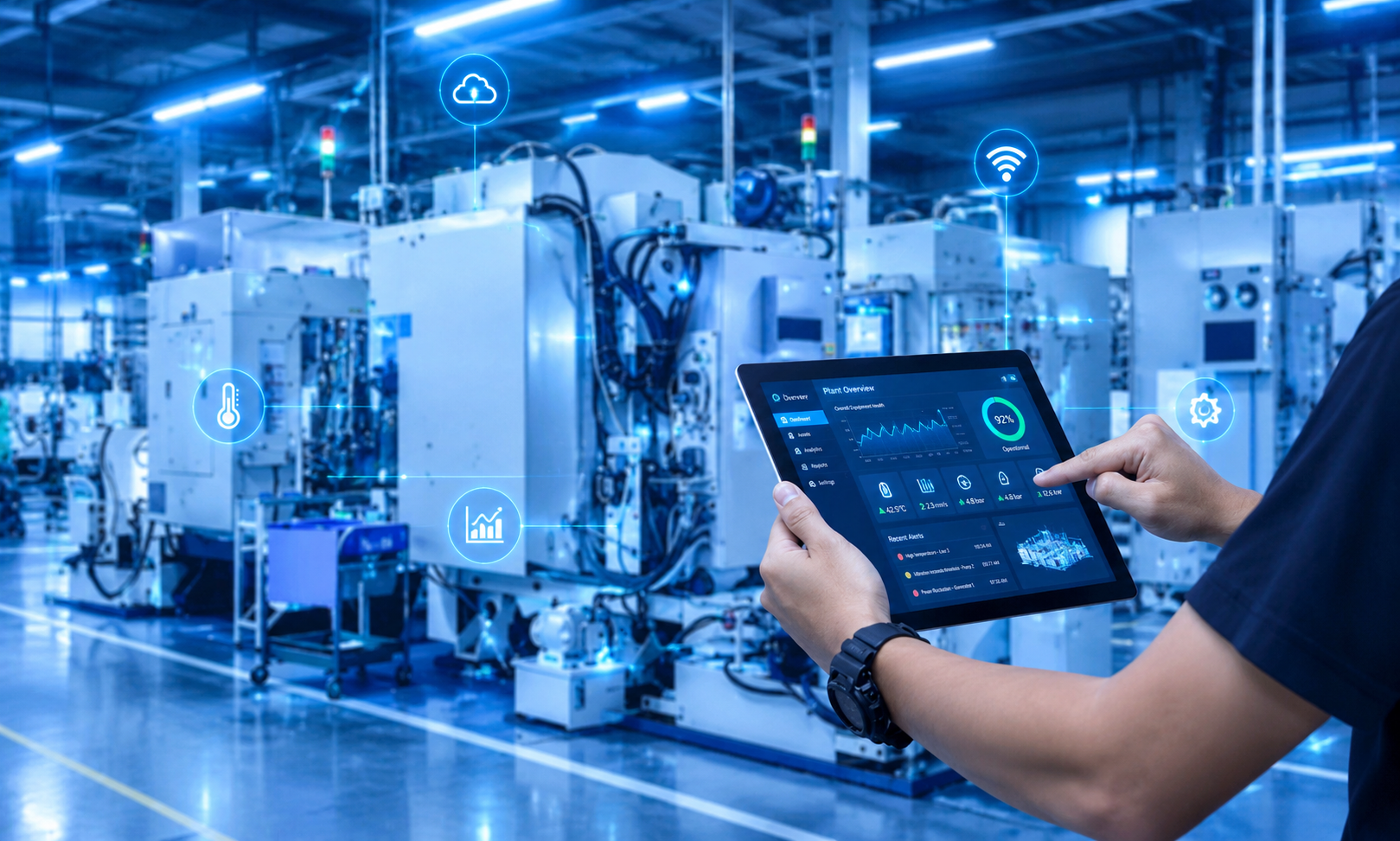
Remote monitoring uses connected devices, sensors, communication networks, and monitoring platforms to provide information about equipment or facility conditions from a distance. Depending on the system, teams can review operational parameters, track changes, receive alerts, and identify conditions that may require further investigation.
This approach is particularly useful for organizations managing geographically distributed assets. Instead of traveling to every location to obtain routine updates, teams can review available information through a centralized dashboard and prioritize their attention accordingly.
Field inspection, on the other hand, involves direct examination of equipment, facilities, and operational environments. Technicians can assess physical conditions, verify abnormalities, perform measurements, and carry out maintenance or repairs when necessary.
Although both approaches support operational reliability, they serve different purposes. Remote monitoring provides ongoing visibility into measurable conditions, while field inspection enables physical verification and hands-on intervention. Neither approach can completely replace the other.
Why Relying on Only One Approach Can Be Limiting
For organizations with multiple operational sites, relying exclusively on field inspections can make it difficult to maintain continuous visibility between scheduled visits. Equipment conditions may change after an inspection, while travel requirements can consume time that technicians could otherwise spend addressing maintenance priorities.
Remote monitoring helps address this limitation by making available operational information accessible without requiring a physical visit for every routine check. However, it also has its limitations. Monitoring systems depend on suitable sensors, reliable connectivity, accurate data, and appropriate configuration. Not every mechanical fault or physical hazard can be identified remotely.
Relying exclusively on remote monitoring can therefore create gaps in operational awareness, particularly when a problem requires physical examination or when monitoring data does not fully reflect the equipment's condition.
A more effective approach recognizes that monitoring and inspection provide complementary forms of information. Digital monitoring helps teams understand what may be happening, while field inspections help verify conditions and determine the appropriate physical response.
When Should Businesses Use Remote Monitoring or Field Inspection?
Choosing the right approach depends on asset characteristics, risk levels, operational requirements, and the type of information needed. Remote monitoring is particularly useful when businesses need to:
-
Monitor assets across multiple locations: Maintain visibility into facilities and equipment without requiring teams to visit every site regularly.
-
Track operating conditions: Observe changes in parameters such as temperature, energy consumption, or equipment status in real time or at regular intervals.
-
Identify potential abnormalities: Detect unusual conditions early and determine whether further investigation is necessary.
-
Prioritize inspections: Identify which assets or locations require immediate attention based on available monitoring data.
-
Optimize site visits: Reduce unnecessary routine visits so technicians can focus on locations that need physical assessment or maintenance.
Field inspection, on the other hand, remains essential when teams need to examine physical conditions directly, carry out maintenance or repairs, verify monitoring results, or perform inspections required by safety procedures and operational standards.
In practice, both approaches can work together as part of a coordinated process. Monitoring systems help identify assets or locations that require attention, allowing teams to schedule inspections based on urgency and the level of assessment needed. This enables decisions about when to send technicians to be guided by available operational data rather than relying solely on fixed inspection schedules.
Building a More Efficient Monitoring and Inspection Strategy
Combining both approaches requires more than installing monitoring devices or increasing inspection frequency. Organizations need a structured process that connects operational data with maintenance planning and field activities.
First, businesses should identify which assets require continuous observation and which can be managed through scheduled inspections. Equipment critical to safety, service continuity, or production may require more frequent monitoring and clearly defined response procedures.
Second, monitoring data should be presented in a way that supports practical decisions. Centralized dashboards, meaningful alerts, and historical performance records can help teams distinguish routine variations from conditions that require attention.
Third, organizations should establish a clear workflow for responding to detected abnormalities. When an alert requires an on-site visit, technicians should receive relevant information about the affected asset, the observed condition, and the priority of the task. This can help them prepare before arriving at the location.
Finally, businesses should periodically evaluate whether their monitoring and inspection strategies are achieving their intended objectives. Indicators such as response time, inspection findings, recurring faults, and maintenance outcomes can help identify opportunities for improvement.
The objective is not to eliminate field visits altogether. It is to ensure that site visits are purposeful, appropriately prioritized, and supported by reliable information.
Connecting Remote Visibility with On-Site Action
As operational environments become more distributed and interconnected, organizations need a practical way to maintain visibility while ensuring that physical assets receive the attention they require.
Remote monitoring can help teams observe conditions, recognize potential issues, and coordinate responses across multiple locations. Field inspections provide the direct assessment and intervention needed to verify conditions, maintain equipment, and address problems that cannot be resolved remotely.
At SOLU, we help organizations develop technology solutions that connect devices, operational data, and monitoring systems according to their needs. By improving visibility across distributed operations, businesses can establish a more informed approach to monitoring, maintenance coordination, and operational decision-making.
Better visibility starts with connected systems. Better operations depend on turning that visibility into action.
Share:
Request A Call Back
Your next big leap starts with a simple conversation, let's sparks the next big idea together
